CNG consumption increases by 12%
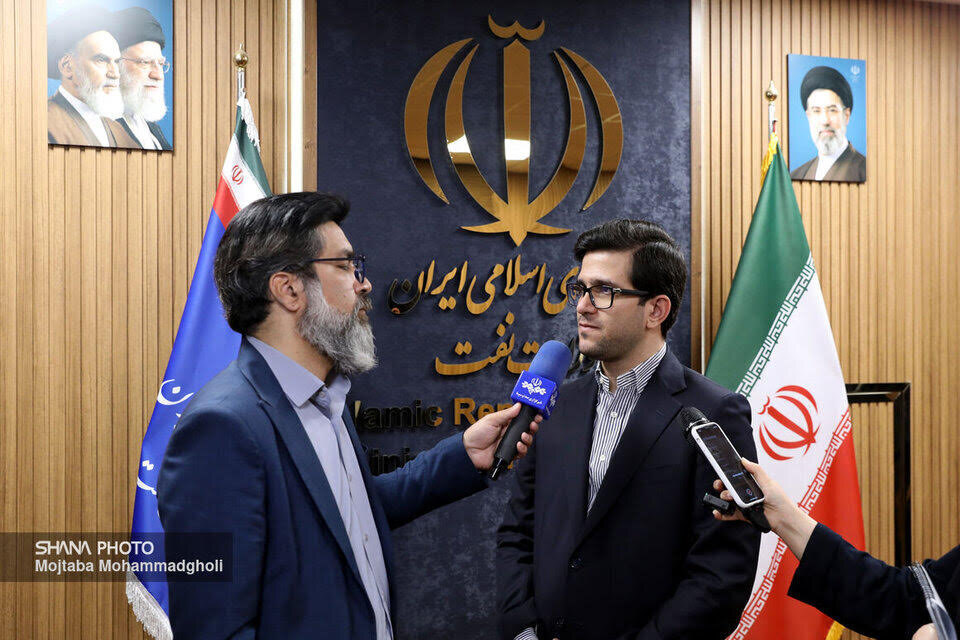
TEHRAN- The CEO of the National Iranian Oil Refining and Distribution Company, regarding the impact of implementing the third-tier gasoline rate on the fuel consumption pattern, said: The implementation of this plan has had two effects; in the CNG sector, we have witnessed about a 12% growth in consumption, and the willingness to use this fuel, especially in public transportation and online platforms, has increased.
According to Shana, Mohammad Sadeq Azimifar said: Gasoline consumption during the implementation period of the plan has also decreased by about 3% compared with the same period last year.
He added: This shows that by applying gradual and step-by-step reforms, we can both gradually correct consumption and steer consumers’ behavior toward using alternative fuels.
The CEO of the National Iranian Oil Refining and Distribution Company, stating that a set of plans has been designed to manage and make fuel consumption transparent, said: These plans are implemented in different phases, feedback is taken from them, and in accordance with the feedback received, flaws are fixed and then the plan is extended to a larger statistical population. This is a scientific procedure in the world.
Azimifar, regarding emergency cards at fuel stations, stated: Currently, about 40% of the country’s gasoline consumption is done with emergency cards at stations, which has two fundamental flaws.
About the condition of power plant fuel tanks, he said: Given the intensification of the gas imbalance this winter due to the damage inflicted on gas facilities in the war, supplying liquid fuel to power plants is among the solutions for stabilizing the country’s electricity grid in the cold season.
Emphasizing synergy between the Ministry of Oil and the Ministry of Energy, he added: Stored power plant diesel is considered a suitable backup for entering the cold season.
The CEO of the National Iranian Oil Refining and Distribution Company continued: We hope that with the total measures designed in various sectors and the guidance of the optimization working group of the Ministry of Interior, we can successfully pass this winter as well.
Azimifar, emphasizing the role of consumption management in passing the cold season, stated: Achieving this goal depends on all sectors, including the household and industrial sectors, taking optimization and consumption management seriously in the field of gas consumption. Our estimate is that with only 10% optimization and consumption management, sustainable gas supply for various sectors can be achieved.
Regarding measures to address these challenges, he said: To solve the issue of gatekeeping in station cards, which has taken authority away from people and given it to the station operator, and also to resolve the problem of lack of transparency in fueling, various plans are being implemented and pursued on a pilot basis. One of these plans is assigning identifiers to emergency cards at stations, which of course has one or two flaws and is being fixed in the pilot stage.
The CEO of the National Iranian Oil Refining and Distribution Company emphasized: If a plan in the field of fueling at stations is to be implemented and extended to the entire country, consumer satisfaction and user experience will undoubtedly be taken into account, and we will try to make fueling easier for people.
Azimifar continued: At the same time, these plans help fueling be transparent and related data be collected, so that if there is diversion, it can be identified and countered.
The CEO of the National Iranian Oil Refining and Distribution Company emphasized: Therefore, if subsidized fuel is diverted, these resources leave people’s pockets and go to the abuser.
Azimifar, referring to measures taken to combat smuggling and fuel diversion, said: The Headquarters for Combating Smuggling of Goods and Currency has announced that most fuel diversion is in the diesel sector, and with the measures we have taken, we have been able to reduce diesel consumption by about 6% compared with 2024, and the country has turned from an importer into an exporter of diesel.
EF/MA
Leave a Comment